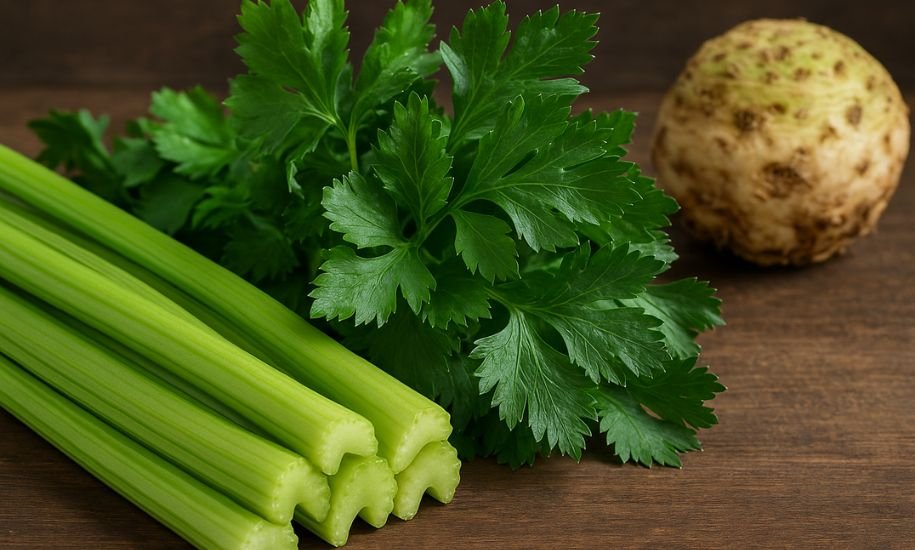
In an era dominated by processed foods and hybrid vegetables bred more for shelf life than flavor, a quiet movement is emerging toward authenticity and natural produce. One such revival is pravi celer, literally “real celery” in many Slavic languages, referring to celery (Apium graveolens) in its pure, traditionally cultivated form. Far from being just another garnish or low-calorie diet trick, pravi celer represents a return to unadulterated taste, nutrition, and the cultural wisdom of traditional agriculture.
The Meaning Behind “Pravi Celer”
The term pravi celer comes from the Slavic word pravi (meaning “real” or “true”) and celer (celery). Together, they highlight authenticity — produce grown in a more natural, less industrial way. While in many supermarkets celery looks identical, the original plant varies significantly depending on soil, region, and cultivation method. Traditional varieties of pravi celer are typically smaller, darker, and more aromatic than the heavily modified commercial ones.
Ancient Mediterranean civilizations, from the Greeks to the Romans, used celery as food, medicine, and even ritual decoration. Archaeological findings show celery seeds were part of ancient Egyptian tomb offerings, symbolizing vitality and rebirth. Over centuries, selective breeding diluted much of that wild aroma for the sake of uniformity. Today, pravi celer brings that old intensity back — earthy, crisp, slightly peppery, and deeply hydrating.
Nutritional Powerhouse in Every Stalk
Celery is often overlooked because of its simplicity, but pravi celer demonstrates that sometimes the simplest foods are the most powerful. A 100-gram serving of pravi celer contains barely 16 calories yet packs impressive nutritional value.
Key Nutrients:
-
Water (≈ 95 %) — Excellent hydration support, especially in hot climates.
-
Vitamin K — Essential for bone metabolism and blood clotting.
-
Vitamin C — Supports immunity, collagen formation, and antioxidant defense.
-
Potassium — Helps regulate blood pressure and muscle contractions.
-
Dietary Fiber — Aids digestion, keeps the gut healthy, and supports weight management.
-
Flavonoids (Apigenin, Luteolin) — Powerful antioxidants that protect cells from oxidative stress.
-
Folate & Magnesium — Support metabolic and nervous system functions.
Together, these nutrients make pravi celer one of the most balanced, refreshing, and functional vegetables you can add to your diet.
Health Benefits Backed by Nature
1. Digestive Wellness
The combination of fiber and water in pravi celer acts as a natural tonic for the digestive system. It promotes bowel regularity and helps reduce bloating. Because it’s gentle on the stomach, celery is also a popular ingredient in detox or cleansing routines.
2. Heart and Circulatory Health
Pravi celer contains compounds known as phthalides, which can relax artery walls and improve blood flow. Alongside potassium, these compounds contribute to regulating blood pressure naturally — a benefit recognized in both folk medicine and modern nutrition science.
3. Anti-Inflammatory Protection
Celery’s flavonoids, especially apigenin and luteolin, are known for their anti-inflammatory and antioxidant properties. Regular consumption may help reduce chronic inflammation, which is linked to diseases such as arthritis, diabetes, and cardiovascular issues.
4. Hydration and Detoxification
Given its high water content and mild diuretic properties, pravi celer supports natural detoxification by promoting kidney function and flushing out excess sodium. It’s an excellent vegetable for maintaining electrolyte balance after exercise or in hot weather.
5. Weight and Skin Support
Low in calories but high in fiber and micronutrients, pravi celer is a classic choice for weight-management diets. Its antioxidants and vitamins also contribute to skin vitality — some wellness enthusiasts even swear by celery juice as a “glow drink.”
Culinary Versatility: From Root to Leaf
One of the delights of pravi celer is its versatility. Every part of the plant — stalk, root, leaf, and seed — has a culinary use.
1. Raw and Refreshing
Crisp celery sticks are a timeless snack. In salads, pravi celer adds crunch and freshness, especially when paired with apples, carrots, or a yogurt-based dressing. It also makes an ideal vehicle for healthy dips like hummus or peanut butter.
2. Juices and Smoothies
Celery juice has gained global popularity for its cleansing benefits. Blending pravi celer with cucumber, lemon, or green apple creates a rejuvenating morning drink that hydrates while boosting vitamin intake.
3. Soups and Stews
When cooked, pravi celer develops a gentle sweetness that enhances broths, soups, and stews. Root celery (celeriac) adds depth to creamy vegetable soups, while chopped stalks elevate the aroma of any stock base.
4. Roasted or Stir-Fried
For a caramelized flavor, try roasting celery chunks with olive oil and herbs. In Asian-inspired stir-fries, pravi celer combines beautifully with ginger, tofu, or chicken.
5. Leaves and Seeds
Celery leaves are often discarded, yet they’re rich in flavor and nutrients. Use them as garnish or blend into pestos. Celery seeds, on the other hand, are used as a spice in pickles and seasoning blends.
Growing and Selecting Pravi Celer
Celery prefers fertile, moisture-retentive soil and mild temperatures. Traditional growers often start seeds indoors before transplanting. Consistent watering is essential — the plant wilts easily in drought conditions.
When buying pravi celer:
-
Look for firm, crisp stalks with a vibrant green hue.
-
Avoid wilted or yellowing stems.
-
Choose bunches with fresh leaves, as they indicate overall freshness.
To store, wrap the stalks in a damp paper towel and refrigerate them in a perforated bag. This method retains crispness for up to a week. For longer preservation, blanch and freeze chopped celery for future use in soups or stocks.
Potential Precautions
While pravi celer is safe and healthy for most people, a few precautions are worth noting:
-
Allergies — Some individuals may react to celery proteins, especially in raw form.
-
Low Blood Pressure — Because of its mild diuretic effects, excessive intake might lower blood pressure in sensitive individuals.
-
Pesticide Exposure — Celery is among the vegetables prone to pesticide residues. Whenever possible, choose organic or thoroughly wash before consumption.
Moderation and mindfulness ensure you enjoy pravi celer’s benefits without any drawbacks.
Cultural Revival and Modern Relevance
The resurgence of pravi celer is part of a larger movement — a return to “real food.” In many Eastern European and Balkan households, it never disappeared; it remained a staple in soups, root stews, and winter cellars. Now, as global awareness of sustainable agriculture and nutrition grows, pravi celer is finding new admirers worldwide.
Food bloggers and wellness experts highlight it not just as a diet vegetable but as a symbol of simplicity and authenticity. In a world dominated by flashy superfoods, pravi celer reminds us that true wellness often comes from humble, locally grown produce.
Moreover, it aligns with eco-friendly values: it’s easy to grow, low in resource demand, and offers multiple edible parts — a plant of minimal waste and maximum utility.
How to Incorporate Pravi Celer Daily
For anyone seeking practical ways to integrate pravi celer into daily routines:
-
Start your morning with fresh celery juice or a green smoothie.
-
Add chopped celery to soups, lentils, or mixed salads.
-
Use its leaves in herbal teas or homemade sauces.
-
Try celeriac mash as a lighter alternative to mashed potatoes.
Experimenting with pravi celer transforms simple dishes into vibrant, nutrient-dense meals.
Conclusion
Pravi celer — the true, natural celery — deserves a rightful place in modern kitchens. Beyond its crisp texture and mild taste lies a vegetable deeply connected to human history, culture, and health. It’s a reminder that sometimes, returning to the “real” version of food is the most revolutionary choice we can make.
For readers seeking fresh insights on healthy living and sustainable food trends, follow more thought-provoking nutrition stories on my blog, American Times — where tradition meets modern wellness.