In the world of food and technology alike, some words seem to live two lives. The term “palentu” is one of them — a word that bridges traditional kitchens and the digital frontier. Depending on where you encounter it, palentu can either refer to a humble cornmeal dish deeply rooted in European tradition or to a sleek, modern productivity platform. This dual identity makes it a fascinating case study in how language, culture, and innovation intertwine.
The Culinary Roots of Palentu
One of the most authentic meanings of palentu can be traced back to the culinary world. In this context, palentu is a variant of polenta, a beloved Italian dish made from cornmeal. It’s a dish that has fed generations across Italy and the Balkans — hearty, simple, and endlessly versatile.
In the Croatian language, palentu is the case form of palenta, the local name for polenta. This linguistic twist reflects how food terms travel and transform across cultures. Over time, the dish became a staple across Southern and Eastern Europe, appearing in countless variations — sometimes creamy and rich, other times firm enough to slice and fry.
How Palentu Is Made
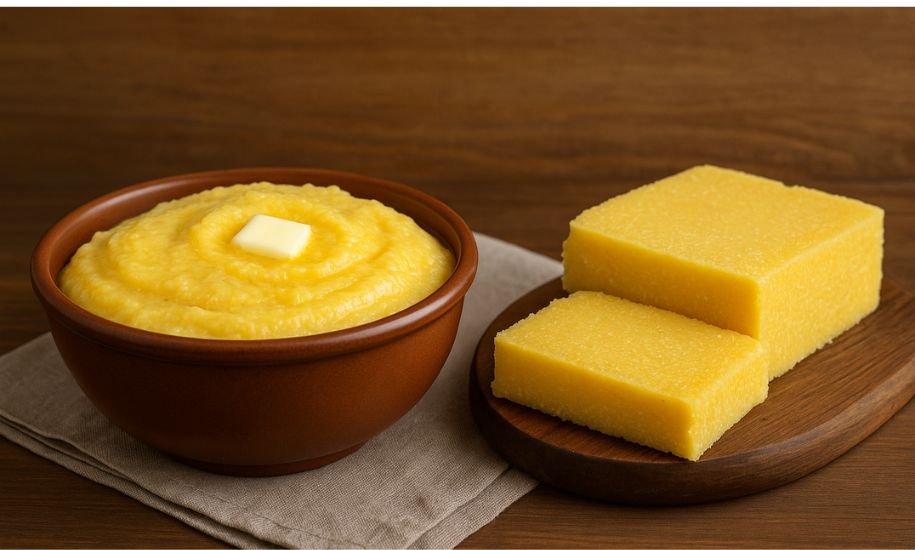
At its most basic, palentu begins with cornmeal and water. The cornmeal is stirred slowly into boiling water or broth to create a smooth, thick mixture. Traditional cooks emphasize patience here — the process can take up to an hour to achieve the perfect creamy consistency. Once ready, it can be served warm and soft, often with butter, cheese, or herbs, or cooled until firm and cut into slices that can be grilled or baked.
The dish is not just about nourishment but comfort. In rural communities, palentu represented the ideal blend of economy and nutrition — inexpensive, filling, and easily adapted to whatever ingredients were available. Today, chefs around the world still celebrate polenta’s rustic charm, showcasing it in fine dining as a base for roasted meats, wild mushrooms, or sautéed greens.
A Staple Across Cultures
The appeal of palentu extends well beyond Italy. In the Balkans, dishes like kačamak, pura, or žganci share the same DNA — cornmeal or other grains boiled into a thick porridge and enriched with local flavors. Each culture has its own touch: some add milk or cream, others blend in feta or sour cream.
These regional connections make palentu more than just a dish; it’s a culinary thread that binds Mediterranean and Eastern European food heritage. Food bloggers and chefs alike describe it as a dish that evokes family gatherings, countryside kitchens, and the timeless satisfaction of simple food done well.
Nutritional and Modern Appeal
In the modern world, palentu has re-emerged as a health-conscious comfort food. It’s naturally gluten-free, making it popular among those avoiding wheat, and it serves as a versatile base for vegetarian or vegan meals. With growing interest in traditional grains and simple ingredients, palentu fits neatly into current culinary trends that value authenticity and sustainability.
Many contemporary food writers highlight how adaptable the dish is — it can be served creamy with roasted vegetables, turned into fries, or even sweetened for dessert. Its texture and warmth have made it a favorite subject of food photography and home-cooking blogs, where it’s praised as both nostalgic and modern.
Palentu as a Digital Platform
Surprisingly, the word palentu has also been adopted in a very different realm: technology. In recent years, several online sources and blogs have referenced Palentu as a digital platform or brand.
Descriptions vary, but most portray Palentu as a collaboration and productivity platform — a tool that brings together project management, communication, and creative workflow in one place. It is marketed as a flexible space for businesses, freelancers, educators, and content creators who want to streamline their work and collaborate efficiently.
Some sources even describe Palentu as combining elements of file sharing, task tracking, and creative content tools. The message is clear: it positions itself as a digital workspace for the modern, connected world.
What Makes It Stand Out
In marketing narratives, Palentu’s biggest selling point is integration — the idea that it replaces the need for multiple scattered tools. Instead of juggling emails, chats, and spreadsheets, users are promised an all-in-one hub where teams can organize projects, track progress, and communicate seamlessly.
Beyond functionality, the brand name itself seems carefully chosen. “Palentu” carries a sense of warmth, foundation, and nourishment — echoes of its culinary origin. This linguistic association subtly suggests that the platform aims to “feed” productivity and foster collaboration in the same comforting way food brings people together.
Skepticism and Substance
However, despite its appealing concept, there is still limited verifiable information about the digital platform. Most online references appear in lightweight blog posts or SEO-driven articles, offering little concrete data about its creators, user base, or actual functionality.
For now, Palentu’s digital presence seems more aspirational than established. It serves as a reminder that in the era of digital marketing, names and narratives can spread quickly, even before a company becomes a tangible presence in the market.
Still, the brand’s existence — even if loosely defined — highlights how traditional words can be repurposed in the digital economy to evoke familiarity and trust.
The Bridge Between Tradition and Innovation
The coexistence of palentu as both a comfort food and a tech brand is a fascinating reflection of how language evolves. It shows how the meanings of words shift as cultures borrow and reinvent them for new contexts.
At its core, both meanings share a similar symbolism. The food palentu nourishes and sustains; the digital Palentu aspires to support and empower. One fills the stomach, the other aims to fill the workflow. Both promise to make life smoother, more productive, and more satisfying.
This blending of the old and the new is part of a broader cultural pattern. In branding, words rooted in warmth, heritage, and simplicity are often chosen to humanize technology. Just as “Apple” evokes everyday familiarity, “Palentu” brings a touch of comfort and authenticity to the digital space.
Writing About Palentu
For anyone writing or reading about palentu, it’s important to recognize these dual dimensions. On one hand, there’s the tangible, delicious dish served in rustic kitchens — on the other, a modern platform that uses the same name to brand efficiency and collaboration.
Writers can explore both angles:
-
As culinary heritage, palentu tells a story of migration, survival, and comfort.
-
As digital metaphor, Palentu reflects how even the simplest words can be reimagined for modern use.
The parallel between food and technology also raises interesting philosophical questions. Can innovation learn something from the patience and tradition of cooking? Can technology offer the same kind of comfort and reliability that a bowl of warm polenta does on a cold evening?
Conclusion
Whether you’re standing over a pot of creamy cornmeal or exploring a new productivity app, palentu represents more than just a word — it’s a bridge between past and future, simplicity and sophistication. It reminds us that the vocabulary of nourishment and the language of innovation often share common ground.
From rural kitchens to digital dashboards, palentu continues to evolve — a symbol of how old ideas can find new life in unexpected places. It’s proof that even in a rapidly changing world, the warmth of tradition can still shape the future.
For more thoughtful explorations of how culture, technology, and creativity intersect, visit American Times.