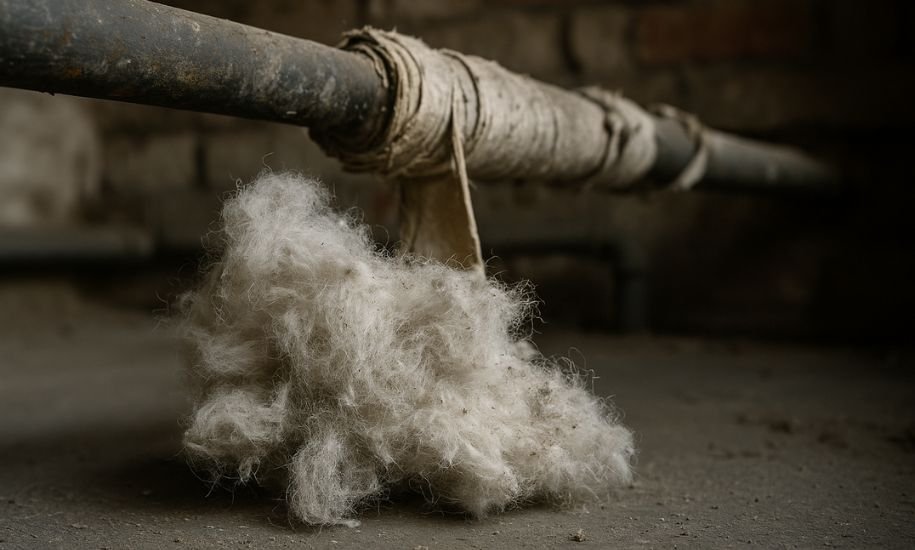
When people hear the word asbestos, they usually think of rigid insulation panels, old construction dust, or once-common roofing materials. But in recent years, a new term has circulated across blogs, renovation forums, and health-safety discussions—asbestlint. Although it is not an official scientific term, asbestlint is increasingly used to describe a very real and very dangerous byproduct of aging asbestos-containing materials: loose, fibrous, lint-like fragments that break away from old insulation, tapes, and building components. These feather-light particles may appear harmless, almost like household lint, yet they conceal the same microscopic, cancer-causing fibers that made asbestos one of the most hazardous substances ever used in construction and manufacturing.
Understanding asbestlint is essential for homeowners, building managers, renovation workers, and anyone concerned about environmental safety, especially as countless homes and commercial properties built before the 1980s still contain asbestos. This article explores what asbestlint is, why it forms, the serious health dangers it poses, and how modern safety practices help manage this quiet but persistent threat.
What Exactly Is Asbestlint?
The term asbestlint is a combination of “asbestos” and “lint,” widely used in blog posts and safety discussions to describe soft, fluffy, dusty asbestos residue that looks eerily similar to dryer lint, cotton fluff, or cobweb-like debris. Unlike intact asbestos materials—such as cement boards, vinyl tiles, or roofing shingles—asbestlint refers to something much more fragile and dangerous:
friable asbestos fibers that have become loose and airborne or that collect in corners, pipes, basements, attics, or mechanical rooms.
This lint-like asbestos residue typically appears:
-
When old pipe insulation deteriorates
-
When asbestos tape or blankets around boilers and furnaces begin to crumble
-
When vibration, heat cycles, moisture, or age break down older asbestos components
-
During or after amateur, unregulated renovation work
-
In forgotten industrial areas where asbestos textiles once existed
Because this form of asbestos is extremely friable (easily crumbled by hand), it is far more dangerous than intact asbestos. What makes asbestlint particularly tricky is its appearance—it rarely looks threatening. Homeowners often mistake it for dust, mold, lint, or debris, unintentionally exposing themselves to fibers that can remain suspended in the air for hours.
Where Is Asbestlint Commonly Found?
Although asbestos was banned or restricted in many countries decades ago, millions of older buildings still contain it. Any place where asbestos materials break down over time can produce asbestlint. The most common sources include:
1. Pipe and Boiler Insulation
During the early to mid-20th century, asbestos was heavily used as heat-resistant insulation on:
-
Steam pipes
-
Hot-water pipes
-
Boilers
-
Furnaces
-
Heat exchangers
These materials often degrade into fibrous dust or lint that accumulates around old mechanical rooms, crawlspaces, and basements.
2. Asbestos Tape and Wrap
Textile-like asbestos tape was used to seal pipe joints, ductwork, and heating elements. Over decades, this tape can unravel, fray, and shed lint-like asbestos strands.
3. Damaged Ceilings, Walls, and Floor Materials
Asbestos-containing materials such as:
-
Popcorn ceilings
-
Fiber cement boards
-
Old plaster
-
Ceiling tiles
-
Floor tiles
-
Drywall joint compounds
can degrade into dust, especially when cracked or exposed to moisture.
4. Attics and Roof Spaces
Some older attics contain asbestos insulation or asbestos-laden roofing felt. As these materials break down, they release fluffy, lint-like debris.
5. Old Fireproof Fabrics
In industrial environments, asbestos was used in:
-
Fire blankets
-
Heat-resistant gloves
-
Protective suits
-
Insulation cloths
Many of these products shed fibers over time, creating patches of asbestlint around old storage areas, workshops, or factories.
Why Asbestlint Is Dangerous
Asbestlint looks soft and harmless, but its composition is anything but. It contains the same microscopic fibers responsible for multiple deadly diseases. The most dangerous aspect is inhalation. Once airborne, asbestos fibers can remain suspended for hours and lodge deep inside the lungs.
Major health risks include:
1. Mesothelioma
A rare and aggressive cancer that forms in the lining of the lungs or abdomen. Caused almost exclusively by asbestos exposure, it can appear 20–50 years after inhalation.
2. Lung Cancer
Asbestos exposure significantly increases lung cancer risk, especially for smokers.
3. Asbestosis
A chronic lung condition caused by long-term inhalation of asbestos fibers, leading to:
-
Lung scarring
-
Shortness of breath
-
Persistent coughing
-
Reduced lung capacity
4. Pleural Disorders
Such as pleural plaques, fluid buildup, or thickening of the lung lining.
Even short-term exposure to disturbed asbestos dust is considered unsafe. Asbestlint is especially dangerous because its fine particles make exposure more likely—even when materials are not actively being removed or handled.
Why Asbestlint Often Goes Unnoticed
There are several reasons homeowners and workers frequently overlook or underestimate the risks of asbestlint:
Appearance of Harmless Lint or Dust
Its fluffy, soft texture resembles household dust or dryer lint, which leads people to clean it casually—spreading fibers further.
Lack of Public Awareness
Most people recognize the word “asbestos,” but few understand the many forms it can take. Most imagine chunks or rigid materials, not tiny fluff-like fibers.
Hidden in Low-Traffic Areas
Asbestlint tends to accumulate where materials age unnoticed:
-
Attics
-
Storage rooms
-
Basements
-
Boiler rooms
-
Beneath floorboards
-
In mechanical closets
Disturbed Without Realizing It
Common triggers for accidental disturbance include:
-
Sweeping
-
Vacuuming
-
Home repairs
-
Moving old furniture
-
Cleaning basements
-
Installing wiring or plumbing
All these can release fibers into the air.
How to Identify Suspected Asbestlint
While only a laboratory test can confirm asbestos, you can look for certain clues when examining older buildings.
Visual Signs:
-
Powdery, lint-like debris under pipes
-
Fluffy white, bluish, or gray fibers
-
Frayed insulation wrappings
-
Dust accumulating near asbestos cement boards
-
Old textile-like insulation falling apart
-
Insulation with a cottony texture
Contextual Clues:
-
Buildings constructed before the late 1980s
-
Older heating systems
-
Boiler rooms with fabric-like insulation
-
Mechanical areas with unusual debris texture
If you suspect asbestlint, do NOT touch or disturb it. Avoid sweeping, vacuuming, or cleaning the area until a professional evaluates it.
How Professionals Handle Asbestlint Safely
Licensed asbestos abatement professionals follow strict safety procedures to prevent fiber release. Common methods include:
1. Air Monitoring
To detect airborne fibers and evaluate risks.
2. Encapsulation
Spraying or sealing fibers so they cannot escape. This method is often used when materials are intact enough to remain in place.
3. Controlled Removal
When materials are too damaged to be left behind, professionals remove them using:
-
Negative air pressure enclosures
-
HEPA vacuum equipment
-
Full protective clothing
-
Sealed disposal containers
4. Decontamination Units
Workers pass through special chambers to avoid carrying fibers out.
5. Proper Disposal
Asbestos waste, including asbestlint, must be:
-
Double-bagged
-
Clearly labeled
-
Disposed of only at approved hazardous waste sites
Improper removal can result in fines, legal liabilities, and severe health risks.
Modern Alternatives to Asbestlint-Producing Materials
Asbestos once seemed miraculous because it was heat-resistant, durable, and cheap. Today, safer alternatives have replaced it in insulation, fireproofing, and construction.
Common substitutes include:
-
Mineral wool insulation – fire-resistant and fiber-stable
-
Fiberglass insulation – widely used in modern construction
-
Ceramic fiber blankets – used for high-heat applications
-
Calcium silicate insulation – strong and heat-resistant
-
Fire-resistant gypsum products – safe alternatives for walls and ceilings
These modern materials perform similar functions without releasing hazardous fibers.
A Final Word: Why Understanding Asbestlint Matters
Although the term asbestlint is modern blog slang, the danger it describes is very real. Across homes, schools, factories, and office buildings, the quiet presence of decaying asbestos continues to pose a threat—especially in the form of easily disturbed, fiber-rich debris. Whether you are renovating an older house or managing an aging commercial building, knowing how to identify and handle asbestlint can prevent long-term health consequences for you and your family or workers.
Asbestlint reminds us that the legacy of asbestos is still with us. Awareness, caution, and professional evaluation are essential. For more in-depth articles on environmental safety, health risks, and modern building materials, you can follow updates and educational content on American Times, where we continue exploring topics that matter for public safety and awareness.
You may also visit: Çievri: The Circle of Life, Culture, and Conscious Renewal