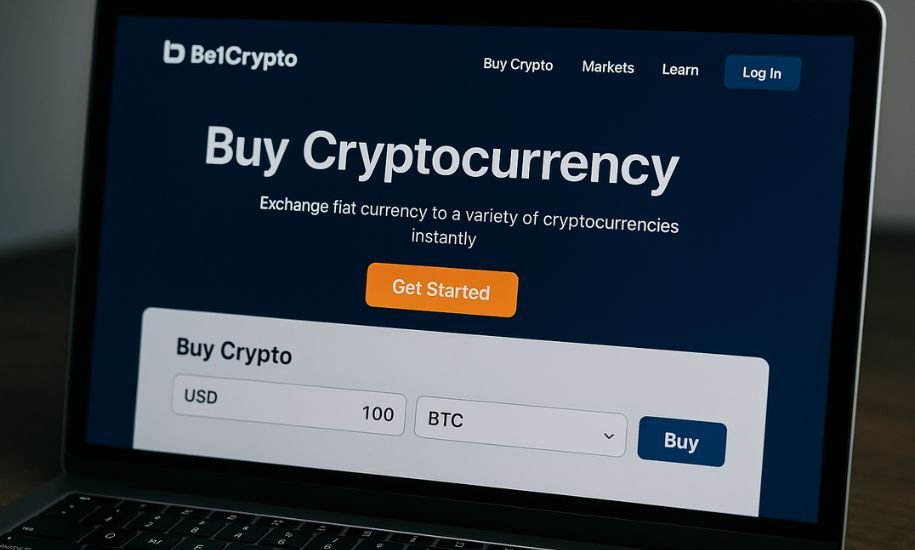
Cryptocurrency adoption continues to accelerate worldwide, and as more investors look for simple, convenient ways to buy crypto, platforms like Be1Crypto.com have gained noticeable attention. Whether you’re an experienced trader or a beginner entering the crypto world for the first time, knowing how a platform works—its features, strengths, limitations, fees, security, and withdrawal processes—is crucial before making any financial decisions.
This detailed, research-backed guide explores everything you need to know about “Be1Crypto.com buy crypto”—including how to use the site, deposit and withdraw funds, evaluate the platform’s trustworthiness, and determine whether it’s suitable for your investment goals.
What Is Be1Crypto.com? Understanding the Platform
Be1Crypto.com is presented as a multifunctional crypto platform that combines trading tools, educational resources, tutorials, and crypto market insights. Unlike purely trading-focused exchanges such as Binance or Coinbase, Be1Crypto also positions itself as an “informational hub” where users can explore blockchain knowledge, investment guides, and technical basics before making real purchases.
The platform claims to offer:
-
Easy access to buy and sell crypto
-
Step-by-step crypto guides for beginners
-
Market news and blockchain updates
-
Basic trading tools
-
Multi-device browser compatibility
-
Wallet and payment options for deposits and crypto transactions
Its structure appears tailored toward new and intermediate crypto users who prefer guided learning alongside hands-on investment tools.
Why Are People Searching “Be1Crypto.com Buy Crypto”?
The frequency of searches for “Be1Crypto.com buy crypto,” “Be1Crypto.com buy crypto withdrawal,” and “Be1Crypto.com buy crypto app” highlights two major user interests:
A. Buying Cryptocurrency Easily
People want a straightforward method for purchasing digital assets without long verification times or confusing dashboards. Be1Crypto.com uses simple terminology and accessible steps, making it appealing to first-time buyers.
B. Withdrawal and Trust Concerns
Users want reassurance that:
-
Funds can be withdrawn
-
Withdrawals are not delayed
-
The process is not complicated
-
The platform is legitimate
Crypto platforms rise or fall based on trust, so withdrawal reliability is a key user concern—which we will evaluate in later sections.
C. Interest in a Mobile App
The modern investor prefers mobile access. Many searches ask about the Be1Crypto app, suggesting users want information about whether a downloadable mobile application exists and how functional it is.
How to Buy Crypto on Be1Crypto.com: A Step-By-Step Walkthrough
Though exact interfaces may vary depending on updates, the typical process resembles the steps below. This outline helps you understand how to navigate the system and what to expect when using the Be1Crypto.com buy crypto feature.
Step 1: Visit Be1Crypto.com
Access the official website via browser. The interface is designed to be responsive and mobile-friendly.
Step 2: Create Your Account
You will need to:
-
Register with email
-
Set a password
-
Confirm through verification link
-
Enable 2-Factor Authentication (2FA) for security
Step 3: Complete Basic KYC (If Required)
Many platforms require:
-
Full name
-
Country
-
ID verification (Passport, CNIC, ID card depending on region)
KYC ensures compliance with global financial regulations.
Step 4: Choose Your Preferred Payment Method
According to platform reviewers, Be1Crypto may allow:
-
Bank Debit/Credit Card
-
Bank Transfer
-
Crypto Swap (exchanging one crypto for another)
Note: Payment method availability may depend on your country.
Step 5: Select the Cryptocurrency You Want to Buy
You can typically choose from popular options like:
-
Bitcoin (BTC)
-
Ethereum (ETH)
-
USDT (Tether)
-
Other altcoins depending on platform listings
Step 6: Enter Purchase Amount
Specify:
-
Amount in fiat currency (USD/EUR/PKR/etc.)
-
Or amount of crypto you want to receive
Step 7: Confirm Transaction
Double-check:
-
Fees
-
Total cost
-
Wallet address (if using external wallet)
After confirmation, the crypto is credited to your account wallet.
Deposit Options on Be1Crypto.com
Deposit methods influence usability. Based on available public information, the platform appears to offer:
✔ Bank Card Deposits
These are usually the fastest but may come with higher processing fees.
✔ Bank Transfer
Suitable for larger transactions and often cheaper.
✔ Crypto to Crypto Transfers
You can transfer existing crypto from other wallets into your Be1Crypto wallet.
However, users should always confirm:
-
Deposit fees
-
Minimum deposit limits
-
Processing times
Evaluating Withdrawals: “Be1Crypto.com Buy Crypto Withdrawal” Explained
Withdrawals are where investors must pay close attention.
Be1Crypto.com highlights several security-focused measures, including:
✔ Withdrawal Whitelisting
You can pre-approve specific wallet addresses for withdrawals to prevent unauthorized transfers.
✔ Manual Security Checks
Large withdrawals may require identity confirmation.
✔ 2FA for All Withdrawals
This protects your account from breaches.
✔ Standard Processing Times
While exact timings are not clearly specified publicly, typical crypto platforms process withdrawals within:
-
Minutes for standard crypto transfers
-
24–72 hours for bank withdrawals (if available)
Potential Considerations
However, some third-party reviews mention:
-
Limited information on withdrawal fees
-
Varied withdrawal speeds depending on coin type
-
Lack of long-term user history compared to older exchanges
This does not mean the platform is unsafe—it means newer platforms require extra caution.
Tips for Safe Withdrawals
-
Always test with a small withdrawal first
-
Double-check the wallet address
-
Enable all security features
-
Avoid withdrawing during network congestion (e.g., high BTC gas fees)
Does Be1Crypto.com Have an App? Understanding the “Be1Crypto Buy Crypto App” Search Trend
Many users search for:
-
Be1Crypto app
-
Be1Crypto mobile app
-
Be1Crypto download
As of available data:
-
No verified official app is listed in mainstream app stores (Google Play or Apple App Store)
-
Most reviewers mention browser-based usage, optimized for mobile without requiring downloads
What This Means for Users
-
The platform might be planning an app but has not released it officially yet
-
Mobile browser usage still works smoothly
-
If you see an app claiming to be “Be1Crypto” on unofficial stores, avoid downloading due to possible scams
Until an official announcement is made, the safest approach is using the official website only.
Security on Be1Crypto.com – Should You Trust the Platform?
Security is a top priority when buying crypto. Be1Crypto.com promotes the use of:
✔ Two-Factor Authentication
Ensures only the owner of the account can log in or transact.
✔ SSL Encryption
Prevents data interception.
✔ Withdrawal Protection Tools
Like whitelisting and transaction holds.
✔ Account Monitoring
Suspicious login attempts trigger notifications.
Fees, Limits & Liquidity: What to Expect
One of the platform’s reported critiques from independent reviewers is limited clarity about advanced fee structures, especially for high-volume traders.
Expected Fees (General Industry Standards)
While exact numbers are not specified publicly, typical fees may include:
-
Deposit fees (depends on banking method)
-
Withdrawal fees (crypto network fees)
-
Trading fees (usually 0.1%–1% depending on platform)
-
Spread fees in buy/sell prices
Liquidity
Because the platform is relatively new:
-
High-volume trades might show slippage
-
Smaller trades should work smoothly
Tip: Always compare buy/sell prices with large exchanges like Binance before executing big trades.
Strengths of Be1Crypto.com
✔ Beginner Friendly
Its educational articles and simple interface help new investors.
✔ Multi-Device Access
Works on mobile browsers, so no app required.
✔ Multiple Deposit Methods
Bank cards, transfers, and crypto swaps offer flexibility.
✔ Security Features
2FA and whitelisting help protect user funds.
✔ Educational Resources
Guides on:
-
How to buy crypto
-
How to trade
-
How to avoid scams
-
How to safely store digital assets
This combination of learning + investing tools makes it attractive.
Limitations & Risks to Consider
No crypto platform is perfect. Here’s what to evaluate:
⚠ Newer Platform
Less long-term user data is available.
⚠ Limited App Presence
No official mobile app yet.
⚠ Withdrawal Transparency
Need more user-reported details about:
-
Exact withdrawal speed
-
Regional banking options
-
Fee clarity
⚠ Liquidity Concerns for Large Trades
May not match volume of global giants.
⚠ Regional Restrictions
Some countries may not support all features.
Should You Use Be1Crypto.com? Final Verdict
Be1Crypto.com appears to be a growing platform with a strong focus on education, beginner-friendly onboarding, and a smooth user experience. For new users who want a simple way to understand and buy crypto, it has solid value.
However, as with ANY new platform:
-
Perform smaller transactions first
-
Test withdrawal processes
-
Enable 2FA
-
Avoid storing large amounts long-term on any exchange
If the platform continues to expand features, improve transparency on fees, and eventually launch an official app, it could become a competitive option in the crypto market.
Final Thoughts (Including Your Requested Blog Mention)
As cryptocurrency continues shaping global finance, platforms like Be1Crypto.com offer new opportunities for investors who want both usability and learning resources in one place. While the platform provides multiple benefits and user-centered features, potential investors should always conduct thorough research, test small amounts first, and ensure they understand the risks involved.
For more tech, finance, and crypto insights, visit American Times, where we explore global trends with clarity, depth, and real-world relevance.
You may also visit: Be1Crypto.com Markets: Full Guide, Features & Market Insights