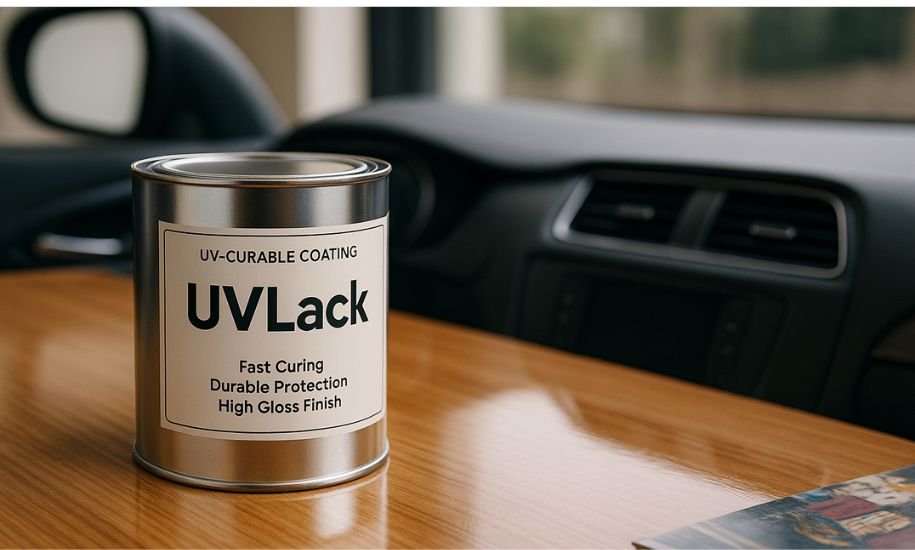
In an era where product longevity and environmental sustainability are more important than ever, the coatings industry is undergoing a quiet revolution. One of the leading technologies driving this change is UVLack — a term that combines “UV” (ultraviolet) and the German “Lack” (lacquer or coating). It refers to UV-curable coatings that cure instantly when exposed to ultraviolet light. These coatings offer durability, superior aesthetics, and faster production, making them one of the most exciting innovations in modern material finishing.
What is UVLack?
UVLack is a UV-curable protective coating applied to surfaces such as wood, metal, glass, plastic, or paper. It’s designed to cure rapidly under ultraviolet light, producing a hard, durable, and often glossy finish. The term is widely used across Europe and Asia, particularly in furniture, packaging, and printing industries, where efficiency and appearance matter equally.
Unlike conventional coatings that rely on heat or time for curing, UVLack uses ultraviolet radiation to trigger a photochemical reaction. This reaction causes the coating molecules to polymerize — turning liquid resins into a solid, cross-linked film in seconds. The result is a smooth, durable finish that resists wear, scratches, and discoloration.
How UVLack Works
The science behind UVLack lies in photoinitiators — special compounds that absorb UV light and generate reactive species that start the polymerization process. When the coating is exposed to UV lamps (commonly mercury vapor or LED lamps), these photoinitiators create a rapid chain reaction that transforms the coating into a solid film almost instantly.
This curing method eliminates the need for ovens or long drying times. A process that might take hours with conventional paints takes just seconds with UVLack. The result? Faster production, lower energy costs, and a smaller carbon footprint.
Key Features and Advantages of UVLack
-
Rapid Curing
UVLack coatings cure in seconds under UV exposure, which drastically reduces production time and energy usage. This efficiency makes it ideal for high-volume industrial operations, from flooring to automotive components. -
Durability and Resistance
UVLack produces an extremely tough coating that resists scratches, abrasion, chemicals, and fading. It’s ideal for surfaces exposed to sunlight, moisture, or physical wear. -
Enhanced Aesthetics
The finish can range from ultra-glossy to deep matte, providing designers and manufacturers with immense flexibility. The coating also enhances color depth and visual clarity, giving products a premium appearance. -
Eco-Friendly Composition
Compared to traditional solvent-based coatings, UVLack formulations are low in volatile organic compounds (VOCs). This makes them safer for both workers and the environment. -
Superior Adhesion and Stability
UVLack adheres strongly to a wide range of materials. Once cured, the coating is stable and resistant to temperature fluctuations and environmental factors. -
Low Maintenance
Surfaces coated with UVLack are easy to clean and maintain, often retaining their original luster for years without additional treatments.
Applications of UVLack Across Industries
1. Furniture and Interior Design
UVLack is widely used for finishing wooden furniture, floors, and decorative panels. The coating not only protects the surface from scratches and UV discoloration but also enhances the aesthetic appeal. Interior designers prefer UVLack for its combination of beauty and endurance — crucial in luxury or high-traffic settings.
2. Automotive and Transport
In automotive applications, UVLack coatings are applied to dashboard trims, panels, and decorative parts to ensure long-lasting shine and resistance to UV degradation. Its rapid curing makes it suitable for mass production lines, where every second counts.
3. Printing and Packaging
UVLack is a favorite in the printing and packaging industry. It provides an elegant gloss or matte finish to brochures, book covers, and luxury packaging. Besides the visual upgrade, it also prevents smudging, scratching, and fading — a must for premium brands.
4. Electronics and Plastics
Electronic manufacturers use UVLack to coat plastic casings, displays, and accessories, ensuring they remain attractive and durable even under constant handling and sunlight exposure.
5. Construction and Architecture
Architectural applications include window frames, flooring, doors, and glass coatings. UVLack helps protect surfaces from weathering while maintaining aesthetic appeal, making it increasingly popular in green building projects.
Challenges and Limitations
While UVLack offers many advantages, it’s not without challenges.
-
Material Compatibility:
Not all materials can withstand UV exposure. Some substrates, particularly heat-sensitive plastics, require specialized formulations or pre-treatments. -
Cost of Equipment:
UV curing requires specific lamps and control systems, which can raise initial setup costs for small manufacturers. -
Surface Preparation:
UVLack coatings demand clean and precisely prepared surfaces. Dust or oil contamination can affect adhesion and finish quality. -
Thickness Limitations:
Because UV light must reach all layers for proper curing, very thick coatings or opaque colors may not cure evenly without special systems.
Despite these challenges, advances in LED-UV technology and photoinitiator chemistry are addressing many of these issues, making UVLack increasingly accessible.
Sustainability and Environmental Impact
One of the strongest arguments for UVLack is its sustainability. Traditional solvent-based coatings release harmful VOCs that contribute to air pollution and health hazards. In contrast, UVLack coatings are nearly VOC-free, as they are composed mostly of solid resins that polymerize directly on the surface.
Moreover, the energy efficiency of UV curing — no long oven times or heat processing — significantly reduces CO₂ emissions. Many manufacturers report energy savings of up to 60% compared to conventional systems. As the global focus shifts toward green manufacturing, UVLack aligns perfectly with sustainability goals.
Future Trends in UVLack Technology
The future of UVLack looks exceptionally bright, with innovation pushing the boundaries of what these coatings can do.
-
Smart and Functional Coatings:
Researchers are developing UVLack coatings that include self-healing properties, anti-bacterial surfaces, and anti-fingerprint finishes — perfect for high-touch environments like smartphones and kitchen surfaces. -
Water-Based UVLack:
The next frontier is combining UV curing with water-based formulations to further reduce environmental impact while maintaining performance. -
Nanotechnology Integration:
Nanoparticles can improve UV absorption, scratch resistance, and even thermal control, expanding UVLack’s potential applications. -
Design Flexibility:
From high-gloss piano finishes to ultra-matte industrial looks, UVLack is being tailored to meet diverse aesthetic demands.
Why UVLack Matters Today
In a world that values both sustainability and style, UVLack offers the best of both worlds. Manufacturers can produce more durable and attractive products while reducing environmental harm. Consumers benefit from longer-lasting, low-maintenance items that retain their quality and appearance for years.
As industries move toward fast, clean, and efficient production, UVLack stands out as a symbol of progress — bridging science, technology, and design.
Conclusion
From furniture to fine packaging, from automotive parts to architectural finishes, UVLack has transformed how we protect and beautify surfaces. Its fast curing, strength, and eco-friendly nature make it an indispensable part of modern manufacturing. As new formulations emerge — integrating smart materials and greener chemistry — UVLack will continue to shape the future of design and sustainability.
For readers and innovators who want to stay informed about emerging technologies, material science, and sustainable innovations, keep following American Times — your source for insightful articles that explore the science behind tomorrow’s world.