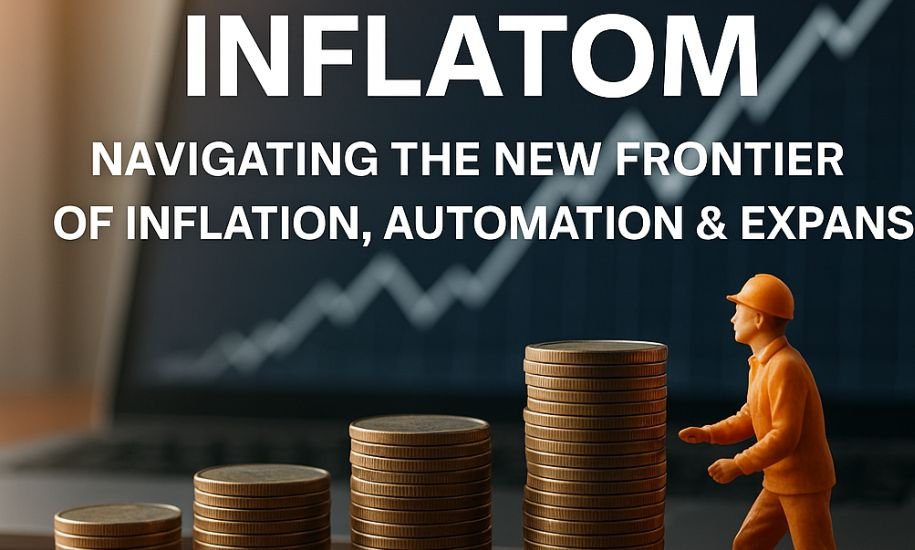
The term “inflatom” has begun surfacing across blogs, tech essays, and economic opinion pieces—yet it does not appear in any standard dictionary, economic text, or physics journal. It is a new idea taking shape at the crossroads of inflation, automation, and technological expansion.
Writers, futurists, and analysts have started using inflatom to describe a phenomenon of automated or algorithmic inflation—a world where prices rise, systems expand, and value shifts not because of manual decisions, but because of automated processes.
This article explores the meaning, origins, implications, and potential of inflatom, and how it could reshape how we understand inflation, growth, and expansion in the digital era.
What Is “Inflatom”?
At its core, inflatom is a neologism—a newly coined term combining inflation (the rise of prices or expansion of costs) and automation (systems that function with minimal human input). Some interpretations even suggest it borrows tone from inflaton, the hypothetical particle that drove the early universe’s expansion.
Depending on context, inflatom can mean different things:
-
A symbol of automatic inflation, where prices increase through algorithmic or automated adjustments.
-
A bridge between economics and technology, describing inflation driven by digital systems.
-
A marketing term for rapid expansion or growth, whether in products, systems, or data.
While the term lacks an official definition, its emergence reflects our growing need to describe modern economic behaviors that don’t fit traditional models. The inflatom phenomenon suggests a world where inflation is not only a financial event—but also a technological and structural one.
Origins and Etymology
The Root: Inflation
Inflation traditionally refers to the sustained increase in the general price level of goods and services, leading to reduced purchasing power. It’s one of the central indicators of economic health and is influenced by supply, demand, and monetary policies.
The Role of Automation
Automation refers to processes carried out by machines, algorithms, or artificial intelligence without direct human involvement. In today’s digital economy, automation influences pricing, logistics, production, and financial systems. Many prices are no longer set manually—they’re adjusted dynamically based on data inputs, demand curves, and predictive models.
The Physics Connection: Inflaton
In cosmology, the inflaton is a theoretical particle responsible for the rapid expansion of the early universe during the Big Bang’s inflationary epoch. While the physics link is metaphorical, it gives the term inflatom a poetic dimension: a force of expansion that drives systems outward.
Fusion into a Modern Concept
When combined, these elements create a new concept: Inflatom = Inflation + Automation + Expansion.
It captures the sense of an economy and technology ecosystem that constantly self-adjusts, grows, and inflates without conscious human oversight. Prices rise because systems are programmed to optimize; value expands because automation drives scaling; and inflation itself becomes systemic and continuous.
Why Inflatom Matters
Reframing Inflation for a Digital Age
Traditional inflation is driven by supply-demand imbalances, currency expansion, or production costs. But modern inflation often occurs in invisible microbursts—automatic price adjustments in apps, subscriptions, and online services. These micro-increases accumulate to form what we might call “inflatom.”
Inflatom reframes inflation as a digital process, not just an economic one. It’s inflation embedded in code, algorithms, and automatic updates.
Business and Market Implications
For businesses, inflatom matters because cost structures are evolving. Cloud computing fees, AI models, and software subscriptions often increase through programmed increments.
Companies that rely heavily on automated systems—data centers, software-as-a-service platforms, or logistics networks—may experience hidden inflationary pressures. The concept of inflatom helps businesses understand and anticipate these automated cost increases before they impact margins or prices.
Effects on Consumers and Households
Consumers may experience inflatom without realizing it. Subscription services quietly increase monthly rates by small amounts. Delivery fees fluctuate automatically based on demand. Even the cost of data storage or streaming rises as systems expand.
These small, frequent changes may seem harmless but collectively erode purchasing power faster than traditional inflation metrics suggest. Inflatom helps explain this digital cost drift that creeps into everyday life.
Policy and Economic Stability
If inflation becomes partly automated, policymakers face new challenges. Central banks manage inflation with tools like interest rates, but these tools may not directly influence algorithmic pricing or global data costs.
Recognizing inflatom as a distinct driver of cost expansion could push for new policy tools and measurement systems tailored to digital economies.
Cultural Relevance
Language shapes perception. “Inflatom” gives people a new way to describe the invisible, constant expansion around them—economic, technological, and even social. It resonates as a metaphor for the self-replicating, self-inflating systems of the modern world.
Frameworks for Understanding Inflatom
Since inflatom is still a conceptual term, several frameworks can help visualize it.
The Micro-Inflatom Model
Each automated price increase, however small, can be thought of as a micro-inflatom—a tiny inflationary event triggered automatically. For instance, a 0.5% rise in your streaming service fee every few months represents one micro-inflatom. When multiplied across all services and users, the cumulative impact becomes significant.
Automated Value Expansion Model
Automation doesn’t just increase prices—it also expands production and consumption. New technologies, AI models, and digital infrastructure constantly create new forms of value. This process expands markets and economies but can also drive costs upward, producing automated inflationary growth—the essence of inflatom.
Hybrid Economic Model
Inflatom could represent a hybrid layer between traditional macroeconomic inflation and digital micro-inflation. It bridges monetary policy, supply chains, and automated pricing, forming a multi-level inflation system that is both global and local, fast and subtle.
Metaphorical Expansion Model
Beyond economics, inflatom symbolizes uncontrolled expansion—of data, systems, influence, or even human ambition. It represents the growth impulse of the modern world, where technology fuels endless scalability.
Real-World Examples of Inflatom
Subscription Service Price Creep
Streaming, software, and cloud storage providers often implement small, automatic price increases to cover operating costs. These incremental hikes, often unnoticed individually, collectively represent inflatom in action.
Algorithmic Surge Pricing
Ride-hailing and delivery apps adjust prices dynamically based on demand. The constant recalibration of price via algorithms represents inflatom—a self-sustaining system of inflation without direct human control.
Data and Cloud Service Costs
Cloud providers frequently raise storage or processing fees. These are not arbitrary but based on automated scaling and infrastructure demands. As more users join, costs rise—an automated inflation built into the system.
The Automation Paradox
While automation reduces labor costs, it can increase system costs—software maintenance, energy consumption, and infrastructure upgrades. These hidden cost increases contribute to inflatom even as other costs decline.
Asset Price Expansion
In digital markets, algorithmic trading and AI-driven valuations can accelerate asset inflation. Market expansions occur at speeds beyond traditional human trading. This rapid, system-driven value inflation is another dimension of inflatom.
Measuring and Tracking Inflatom
The Challenge
Inflatom is difficult to measure because it operates invisibly and continuously. Unlike traditional inflation, which is tracked by the Consumer Price Index (CPI), inflatom manifests in automated micro-adjustments and algorithmic decisions.
Potential Indicators
To track inflatom, economists and analysts might consider new forms of data:
-
Micro-Price Index: Measures small, recurring price increases in digital subscriptions.
-
Automation-Cost Inflation Index: Tracks how costs in automated industries (like AI, cloud, or robotics) evolve over time.
-
Algorithmic Pricing Tracker: Observes the frequency and intensity of price adjustments in real-time platforms.
-
Digital Service Inflation Index: Monitors increases in the cost of data, storage, and online services.
Proxy Metrics
Even without formal indices, proxies can reveal inflatom trends:
-
Average percentage increase in monthly subscription costs.
-
Rising cloud and data service expenses over time.
-
Surge-pricing frequency in transportation and delivery services.
By monitoring these, one can approximate the intensity of inflatom across sectors.
Implications of Inflatom
For Consumers
Inflatom requires awareness. Many households underestimate how automation subtly increases costs. Being vigilant about digital subscriptions, micro-fees, and service renewals helps consumers stay ahead of inflatom’s cumulative impact.
For Businesses
Businesses need to understand inflatom to maintain profitability. Automated systems may reduce labor but introduce new recurring costs. Budgeting and forecasting should factor in systemic, automated cost escalation—not just human-driven inflation.
For Policymakers
Regulators may need to expand their analytical tools to capture digital inflation mechanisms. Standard inflation policies may not address algorithmic or automation-based price changes. Recognizing inflatom could inspire new transparency standards for tech-based pricing.
For Investors
Inflatom can affect asset valuation, profitability, and risk. Investors who account for digital inflation—rising costs in data, AI infrastructure, and automation—will be better positioned to adapt their strategies.
Criticisms and Limitations
Lack of Definition
Critics argue that “inflatom” is still too vague to serve as a serious analytical concept. Without academic grounding or measurable indicators, it risks being dismissed as a buzzword.
Overlap with Existing Concepts
Some suggest inflatom simply repackages familiar ideas like cost creep or digital inflation. However, its real value lies in its broader scope—acknowledging the automation layer driving modern inflation.
Measurement Difficulties
Since inflatom is decentralized and automated, it’s hard to quantify. Traditional tools may not capture automated micro-price movements.
Risk of Overuse
Like many neologisms, inflatom risks becoming trendy jargon. To retain meaning, it must be used carefully—anchored in data, examples, and sound reasoning.
The Future of Inflatom
Acceptance and Recognition
Whether inflatom becomes mainstream depends on how strongly automation continues to shape the global economy. If algorithmic pricing becomes the norm, inflatom could enter mainstream discourse in economics and technology.
Evolution of Price Dynamics
As digital services expand, price changes will become more frequent, subtle, and automatic. Inflation will no longer occur in yearly steps—it will evolve in real-time. Inflatom may become the defining pattern of this era.
New Economic Indicators
In time, we may see institutions tracking Digital Cost Inflation or Automation-Driven Inflation Metrics. These could become standard tools for monitoring inflatom-like forces.
Policy and Regulation
If inflatom gains recognition, governments might require transparency in pricing algorithms. Policies may emerge to prevent uncontrolled, opaque price escalation in essential services.
Inequality and Accessibility
Inflatom might deepen inequality. As automated cost increases affect digital essentials—like data, cloud storage, or software—lower-income households could face disproportionate burdens. Addressing inflatom will also mean addressing digital equity.
Using Inflatom in Writing, Analysis, and Business
Define the Context
When using the term inflatom, always define what you mean: automated price inflation, systemic cost expansion, or metaphorical growth.
Use Concrete Examples
Examples make inflatom tangible—subscription fees rising, algorithmic price adjustments, or data costs increasing due to automation.
Stay Practical
Keep the discussion actionable. How can businesses measure or mitigate inflatom? How can consumers protect themselves? How can policymakers respond?
Be Transparent About Its Novelty
Since inflatom is new, acknowledge that it’s an evolving concept. That honesty builds authority and credibility.
Treat It as a Lens, Not a Replacement
Inflatom does not replace traditional inflation—it extends it. It’s a lens for understanding modern economic forces shaped by automation.
Key Takeaways
-
Inflatom is a new term that unites inflation, automation, and expansion.
-
It describes automated inflationary processes in the digital age—small, continuous, system-driven price rises.
-
Inflatom affects individuals, businesses, investors, and policymakers alike.
-
Measuring it requires innovative indices and data tracking methods.
-
Whether inflatom becomes mainstream depends on how society adapts to automation-driven economics.
Conclusion
As the digital world evolves, the economy expands in unseen ways. Inflation no longer happens once a year—it happens every second, across millions of algorithms adjusting costs, prices, and values.
This invisible, automated layer of inflation—the inflatom effect—is becoming part of our daily lives. It determines what we pay for subscriptions, how businesses set prices, and how systems sustain growth.
Understanding inflatom helps us stay aware of the world’s hidden forces of expansion. It reminds us that growth and inflation are no longer manual—they are programmed, continuous, and global.
For the readers of American Times, embracing the idea of inflatom means recognizing that the future economy is not just inflating—it’s self-inflating. Awareness, adaptability, and innovation will be the keys to thriving in this new era of automated expansion.
You may also read: Augusta Precious Metals Lawsuit: 2025 Update and Truth Behind the Claims